Buying a Home in Flood Zones: What Miami Buyers Should Know
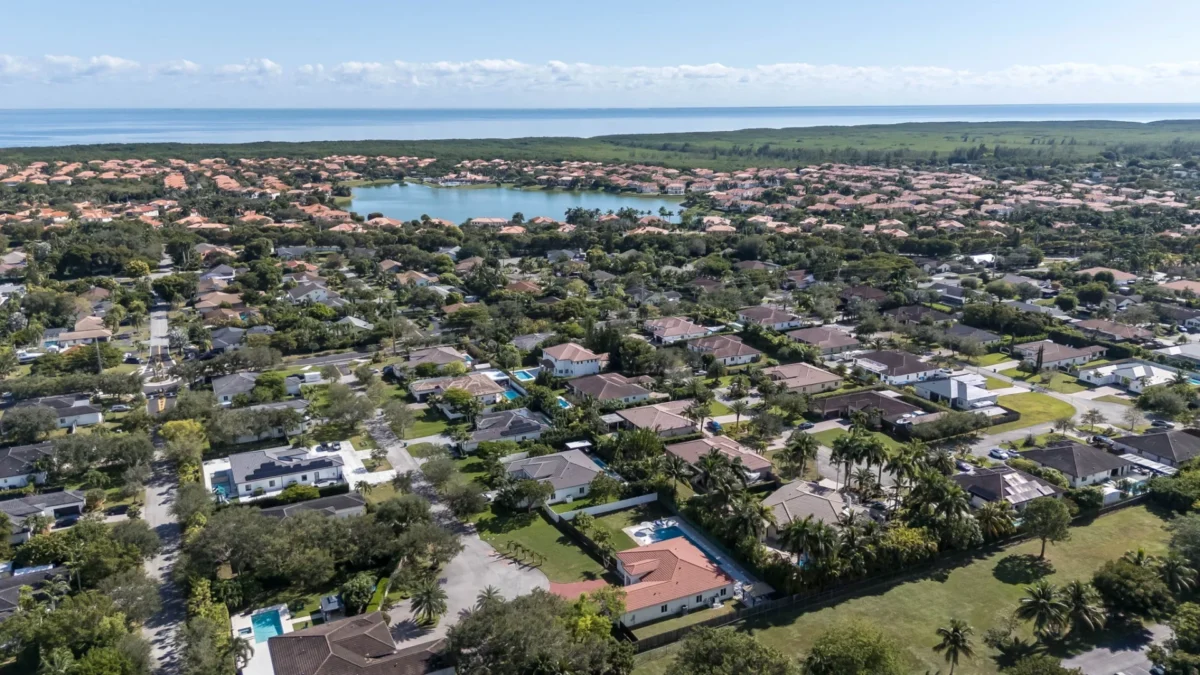
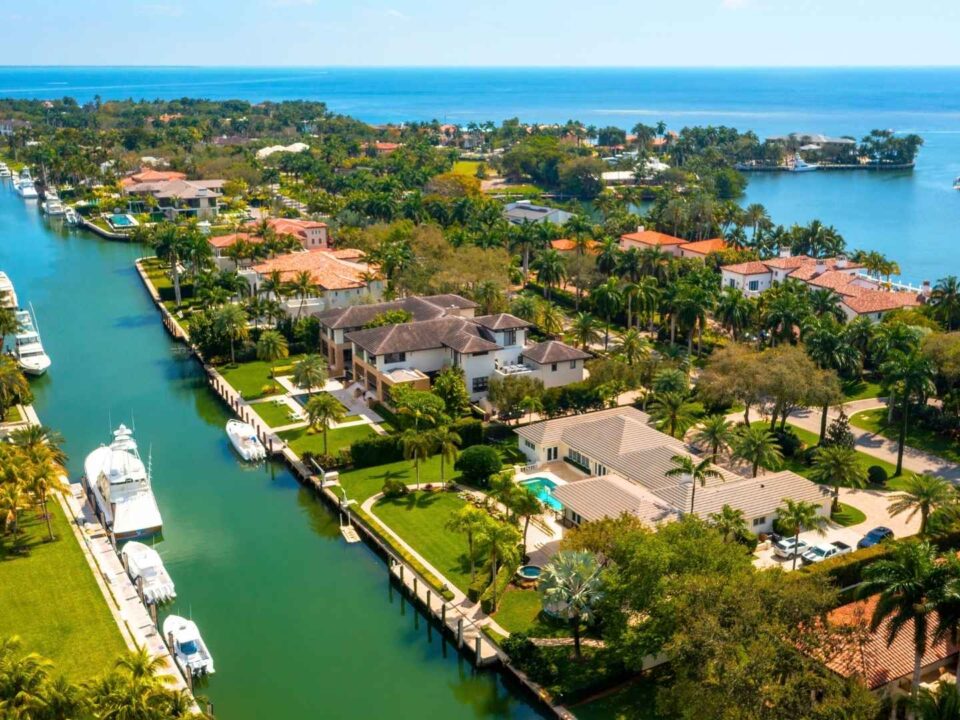
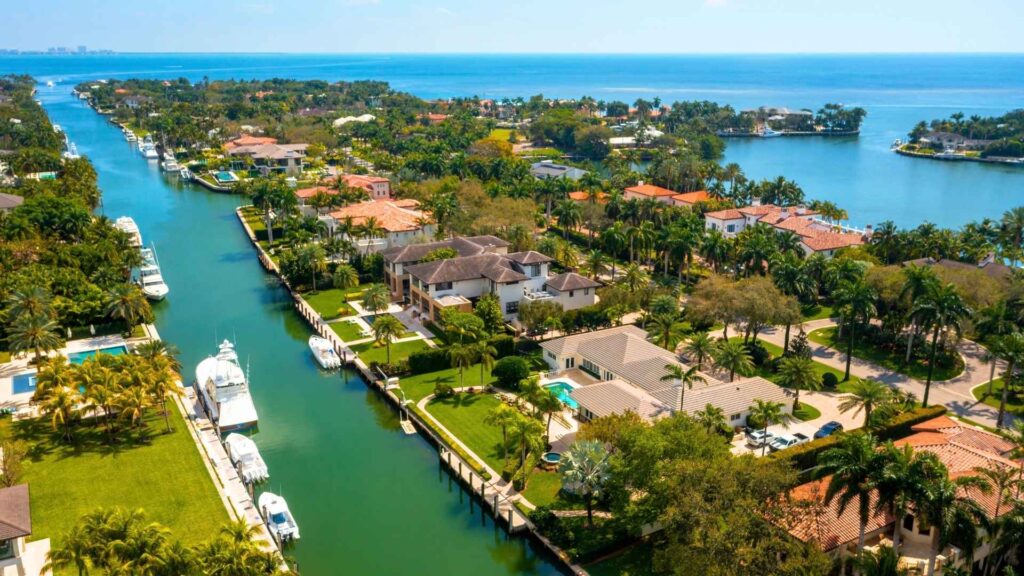
Miami’s waterfront communities are some of the most beautiful places to live in the country. They’re also some of the most flood-prone. Hurricanes are part of life in South Florida, and that reality is baked into the real estate market — sometimes literally into the price, and always into the insurance costs.
If you’re shopping for a home in Miami, there’s a good chance you’ll fall for a property that sits in a flood zone. That doesn’t mean you should walk away. But it does mean you need to go in understanding what that means.
What Is a Flood Zone in Miami?
A flood zone is a geographic area that FEMA has identified as statistically likely to experience flooding. In Miami, most properties fall into one of three categories:
- Zone A or V — High-risk. These areas carry a 1% or greater annual chance of flooding and typically require flood insurance for any federally backed mortgage.
- Zone B or X-Shaded — Moderate risk. Lower than Zone A or V, but still worth factoring into your budget and insurance planning.
- Zone C or X-Unshaded — Minimal risk. Flood insurance isn’t usually required here, though some buyers still choose to carry it.
You can look up any address on FEMA’s flood map, but a good local agent will already know which zones apply to the neighborhoods you’re considering.
How Flood Zones Affect the Home Buying Process
If the home you want sits in a high-risk zone, your mortgage lender will require flood insurance before approving your loan. Depending on the property, that can add hundreds to thousands of dollars to your annual housing costs — so it needs to be part of your budget conversation from the start, not a surprise at closing.
Flood zone designation can also affect resale value down the line. Buyers are naturally cautious about safety risks and elevated insurance costs, and that caution shows up in what they’re willing to pay. It’s worth understanding what you’re taking on before you commit.
That said, not all flood zone properties are created equal — and that’s where mitigation history matters.
How to Tell if a Home Is Well-Prepared for Flooding
Two homes can sit in the same flood zone and carry very different levels of actual risk. Here’s what to look for:
- Elevation Certificate — This document shows whether the home is built above the flood zone’s Base Flood Elevation (BFE). If it is, your insurance premiums could be significantly lower than the zone designation alone would suggest.
- Foundation — Elevated foundations and flood vents are both meaningful risk reducers.
- Drainage — Well-maintained gutters, French drains, and thought out landscaping all reduce the likelihood of water getting in when it rains hard.
These aren’t just safety features — they also make the home more attractive to future buyers if you ever decide to sell.
Work With Someone Who Knows the Territory
Flood zones add a layer of complexity to the buying process that’s easy to underestimate if you’re not familiar with FEMA designations, elevation certificates, and how insurers price risk in different parts of Miami-Dade.
The Kern Team works in these neighborhoods every day. We know which questions to ask sellers, which disclosures to request, and how to help you find a home that you can actually afford to own. If that’s what you’re looking for, we’d love to have that conversation.