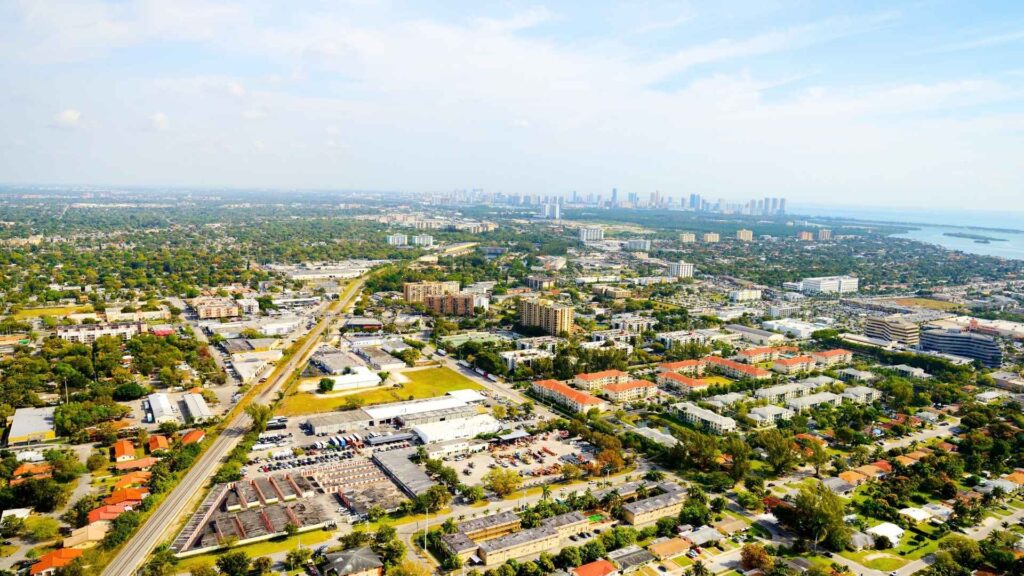
Coral Gables Real Estate in 2026: What Move-Up Buyers Need to Know Before They Shop
Coral Gables asks something of the buyers who come looking here. It is not the neighborhood you settle for. It is the one people spend years working toward, whether they are trading up from a starter home in South Miami or relocating from out of state and want a foundation that will hold its value for decades. If you are in that move-up stage right now, here is what actually matters before you start touring.
KEY DATA (As of July 2026)
Average Sale Price: $3,956,000
4.7 Months of Inventory
Average Days on Market: 78
What makes Coral Gables different from a standard move-up Market
Most move-up markets are defined by square footage. Coral Gables is defined by permanence. The banyan canopy, the Mediterranean Revival architecture requirements, the underground utilities on many streets; these are not aesthetic bonuses, they are structural reasons the neighborhood has held value through every real estate cycle Miami has seen. When you buy here, you are buying into a set of protections (zoning, historic preservation review, mature tree canopy ordinances) that keep the next block from changing in ways that hurt your equity.
That stability is exactly why move-up buyers gravitate here. You are not just buying more house. You are buying a longer runway.
How school zones shape price in Coral Gables
School zoning is one of the biggest, least-discussed price drivers for move-up buyers in this market. Coral Gables Senior High, Sunset Elementary, and the private school corridor along Old Cutler Road all pull buyers toward very specific streets, sometimes block by block. Two homes that look nearly identical on paper can carry meaningfully different price tags once you factor in which elementary school boundary they fall inside.
If you have school-aged kids, or plan to, do not shop by neighborhood name alone. Shop by school zone first, then narrow to the streets inside it.
The “Neighborhoods with the Neighborhood” Most Buyers Overlook
Coral Gables is not one market. It is several, layered on top of each other, and move-up buyers who only look at the postcard version (Biltmore area, the Riviera) often miss pockets that offer more house for the dollar without giving up the address.
The area around the Granada Golf Course draws buyers who want walkability to the Miracle Mile corridor without the premium of the historic core. The streets north of Bird Road, closer to the University of Miami, tend to attract buyers prioritizing lot size and slightly more flexibility on renovation. And the pocket near Cocoplum, while technically its own gated enclave, pulls comparable buyers who ultimately widen their search into greater Coral Gables once they see what is available just outside the gates.
None of these are secrets to someone who works this market daily, but they are easy to miss if you are searching by the neighborhood’s name alone rather than by lifestyle fit.
What Move-up Buyers Should Budget for Beyond the Purchase Price
Older housing stock in Coral Gables means older infrastructure. Buyers moving up from newer construction elsewhere in Miami-Dade are sometimes surprised by the true cost of ownership here: roof age, galvanized or cast iron plumbing in pre-1980s homes, and flood insurance premiums that vary significantly by elevation and flood zone designation, even within the same zip code.
None of this should scare a serious buyer away. It should inform your offer strategy and your inspection period. A move-up buyer who understands these costs going in negotiates from a position of strength. One who does not finds out the hard way, usually after the inspection report comes back.
Frequently Asked Questions
Is Coral Gables still realistic for move-up buyers in 2026, or has it priced everyone out?
It depends on what you are comparing it to and which pocket of the Gables you are targeting. The core historic areas carry a premium, but the streets north of Bird Road and around Granada Golf Course consistently offer more accessible entry points for buyers who are willing to look a few blocks off the postcard version of the neighborhood.
How much do school zones actually affect home values in Coral Gables?
Meaningfully, and often more than buyers expect going in. Two comparable homes on nearby streets can carry different price tags purely based on which elementary or middle school boundary they fall inside.
What should move-up buyers budget for beyond the purchase price?
Plan for the realities of an older housing stock: roof age, plumbing type, and flood insurance premiums that vary by elevation and flood zone, even within the same general area.
The Bottom Line for Move-up Buyers
Coral Gables rewards buyers who do their homework before they shop, not after. Knowing which school zone you actually need, which side streets offer more value than the headline addresses, and what an older home will really cost to maintain puts you in a much stronger negotiating position from the first offer.
If you are thinking about making the move to Coral Gables, or just want a straight answer about whether this market fits your timeline and budget, get in touch. I have spent 25+ years working South Florida real estate, and I would rather walk you through the real numbers now than have you find them out the hard way later.