New Construction vs. Resale in South Florida: Which Fits Your Budget and Timeline
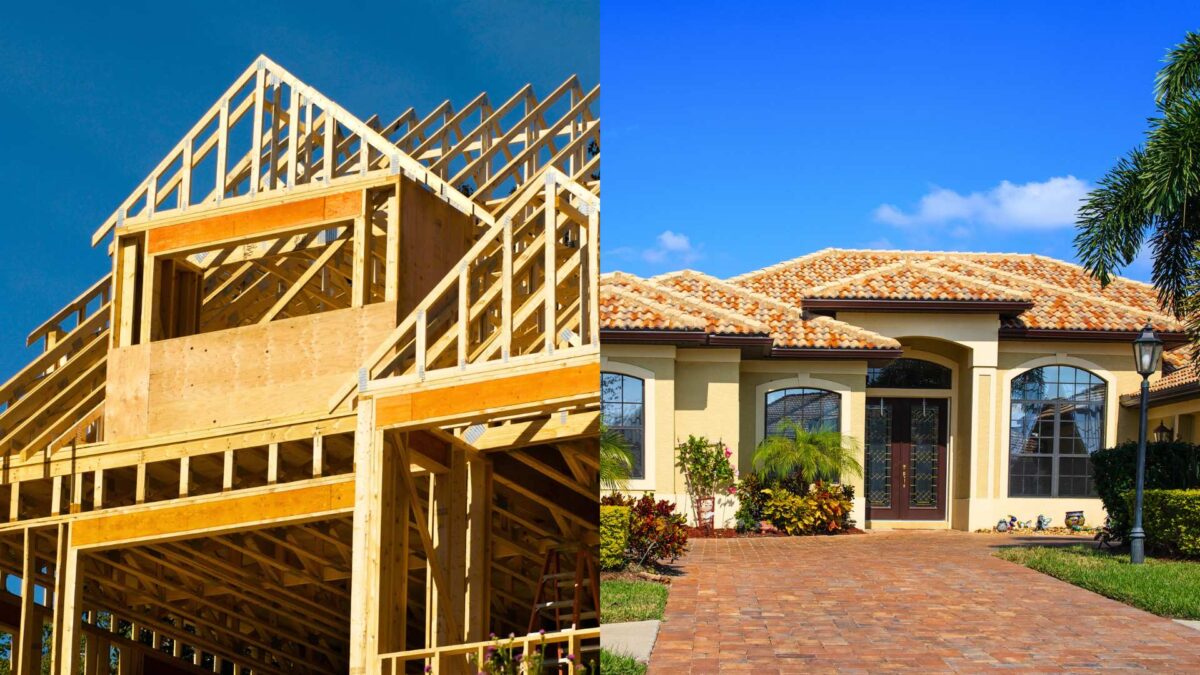
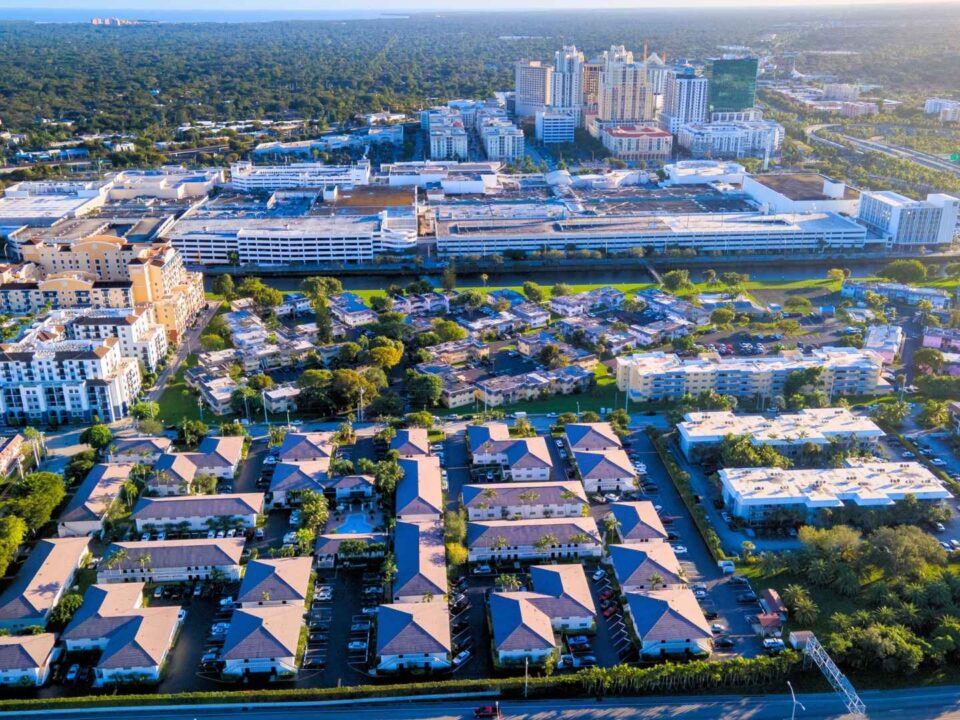
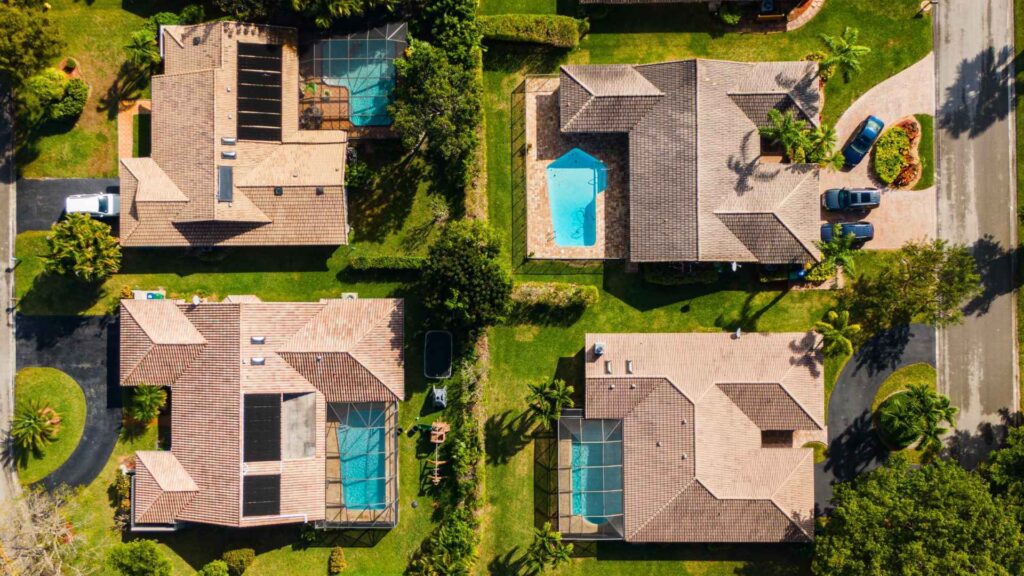
In Palmetto Bay and Pinecrest, nearly every home on the market is a resale, often on a mature lot with established landscaping. Much of South Florida’s production-builder new construction sits farther south and west, around Cutler Bay, Homestead and Florida City, while new homes in Pinecrest tend to be custom or spec builds on large lots. That geography shapes the decision more than most buyers expect. The choice is rarely just new versus old. It is usually location, lot and timing versus newness.
Drew Kern and The Kern Team help buyers weigh both sides across South Miami-Dade. Here is how new construction and resale compare on the factors that move the budget and the calendar.
Is new construction more expensive per square foot than resale?
It depends on where you are comparing. Within the same neighborhood, a new home often commands a premium over an older one. Across South Florida, location can outweigh age. Land values differ widely between established areas like Pinecrest and Palmetto Bay and the newer communities farther south, so a brand-new home and a 1960s ranch can land in very different places on price per square foot depending on where each one sits.
That is why price per square foot is a starting point, not the full picture. Two homes with the same number can represent very different value once you account for:
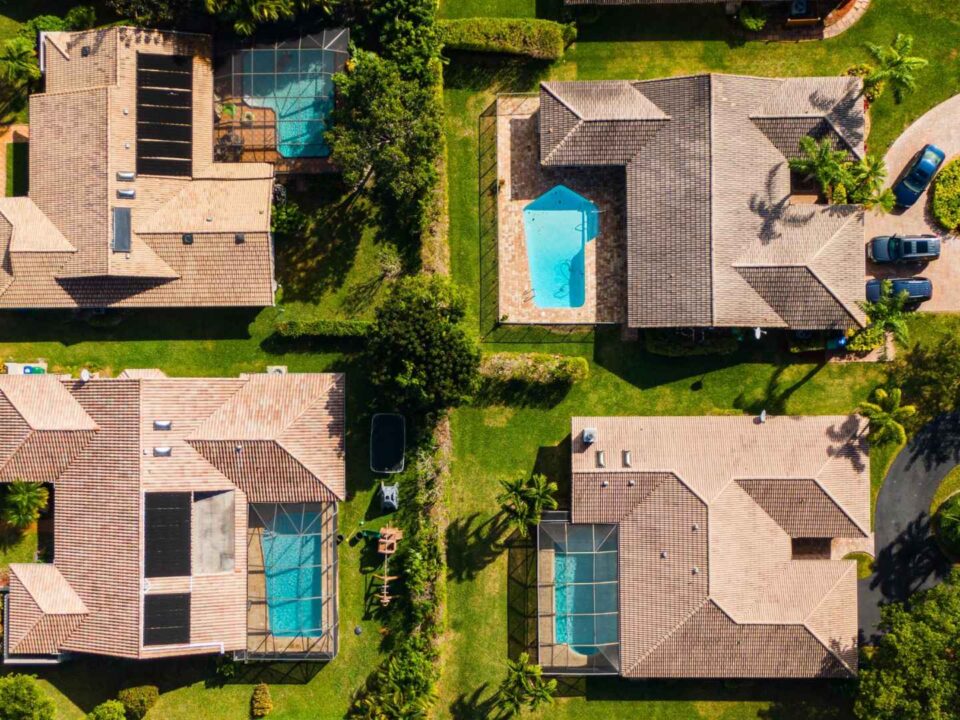
- Lot size. Resale homes in established neighborhoods often sit on larger lots, which rarely shows up in the price per square foot of the house itself.
- Base price vs. finished price. Builder base prices often exclude design upgrades, and the design center can add significantly to the final number.
- What is not included. Window treatments, fencing, closet build outs, upgraded landscaping and sometimes appliances may be extra on a new build.
- Near-term repairs. A resale home may need a roof, A/C, water heater or impact windows within a few years. Price those in.
What builder incentives are common right now?
Builders use incentives to move inventory without cutting list prices. The most common include:
- Mortgage rate buydowns, usually through the builder’s affiliated lender
- Closing cost contributions
- Design center or upgrade credits
- Pricing on quick move-in or spec homes the builder wants to close soon
Incentives can be valuable, but read the fine print. Many are tied to using the builder’s preferred lender and title company, so compare the full loan estimate against an outside lender. Builders often prefer incentives over price cuts because a lower recorded sale price affects the comps for every other home in the community. That same logic means there can be room to negotiate, especially on finished inventory.
What do builder warranties actually cover?
Most production builders offer a limited warranty that follows a common structure:
- One year on workmanship and materials
- Two years on major systems such as plumbing, electrical and A/C
- Ten years on major structural components
Terms vary by builder, so read the actual warranty document before signing, including how claims are filed and what is excluded. Appliances usually carry separate manufacturer warranties.
A warranty is not a substitute for your own inspection. Municipal inspections confirm minimum code compliance, not quality of finish. Many buyers hire an independent inspector for a pre-drywall inspection, when wiring, plumbing and framing are still visible, and again before closing.
Resale homes do not come with a builder warranty. Buyers can negotiate repairs, request a seller-paid home warranty or factor the age of the roof and systems into the offer.
What is a CDD, and how is it different from an HOA?
This is one of the biggest cost differences between new and resale in South Florida, and it is easy to miss.
A Community Development District, or CDD, is a special-purpose local government created under Florida law to finance infrastructure for a new community, such as roads, drainage, water and sewer lines and sometimes amenities. The CDD funds that work with bonds, and homeowners repay them through an annual assessment on their property tax bill, often over 20 to 30 years. There is typically a separate assessment for ongoing maintenance.
Florida requires sellers to disclose a CDD in the sales contract. Before you sign, ask:
- What is the annual debt assessment, and how many years remain on the bonds?
- What is the separate maintenance assessment?
- Can the debt portion be paid off early, and at what cost?
A CDD can make a property tax bill look surprisingly high, so compare total annual carrying cost, not just the tax rate.
An HOA is a private association that manages community rules and common areas. In a new community, the builder controls the HOA board until a set point in the sales process, when control turns over to homeowners. Dues set during developer control can change after turnover, so ask how they were budgeted.
Many resale homes in Palmetto Bay and Pinecrest have no CDD and either no HOA or a voluntary neighborhood association. Resale homes in newer communities may still carry a CDD, often with fewer years remaining.
How long does it take to move in?
Resale: A financed resale purchase in Miami-Dade typically closes in 30 to 45 days from contract, and cash can move faster. Our September guide to the home-buying timeline walks through each step.
Quick move-in new construction: A completed or nearly completed spec home can often close in 30 to 90 days.
To-be-built new construction: Expect many months from contract to keys, and possibly a year or more. Permitting, inspections, material availability and weather can all extend that timeline, and hurricane season adds its own risk.
A longer build raises practical questions. Can you lock your rate long enough, and what does an extended lock cost? Where will you live in the meantime? And how is your deposit handled? Builders often require larger deposits than resale sellers, and Florida contracts must disclose if the builder can use deposit funds for construction. Read those terms carefully.
Which is right for you?
New construction tends to fit buyers who want modern layouts, current building codes, lower near-term maintenance and a warranty, and who are comfortable with a location farther south or a longer wait.
Resale tends to fit buyers who prioritize an established neighborhood, a larger lot, mature landscaping, a shorter commute and a predictable closing date, and who are prepared to budget for updates.
Frequently asked questions
Can you negotiate on new construction in South Florida?
Often, yes. Builders may be more flexible on incentives, upgrades and closing costs than on base price, especially for completed inventory.
Do all new construction communities have a CDD?
No. Some do and some do not. It is disclosed in the contract, and it is worth asking about on your first visit.
Do I need my own agent to buy new construction?
The builder’s sales team represents the builder. Many builders also require your agent to register with you on your first visit, so bring your agent from the start.
Can I use a VA or FHA loan on new construction?
Many builders accept VA and FHA financing, but confirm with both the builder and your lender early. Our recent guide to VA loans in Florida covers the VA side in more detail.
Can I change my selections after signing a new construction contract?
Usually only up to a cutoff. Builders lock design selections at a set point in the build, and changes after that can be costly or not allowed at all.
If you are weighing a new build against a resale in South Miami-Dade, Drew Kern and The Kern Team can put the two side by side, including CDD costs and realistic move-in dates, before you commit to either.
Drew Kern, The Kern Team