The Snowbird Effect: How Seasonal Buyers Shape the Real Estate Market in South Florida
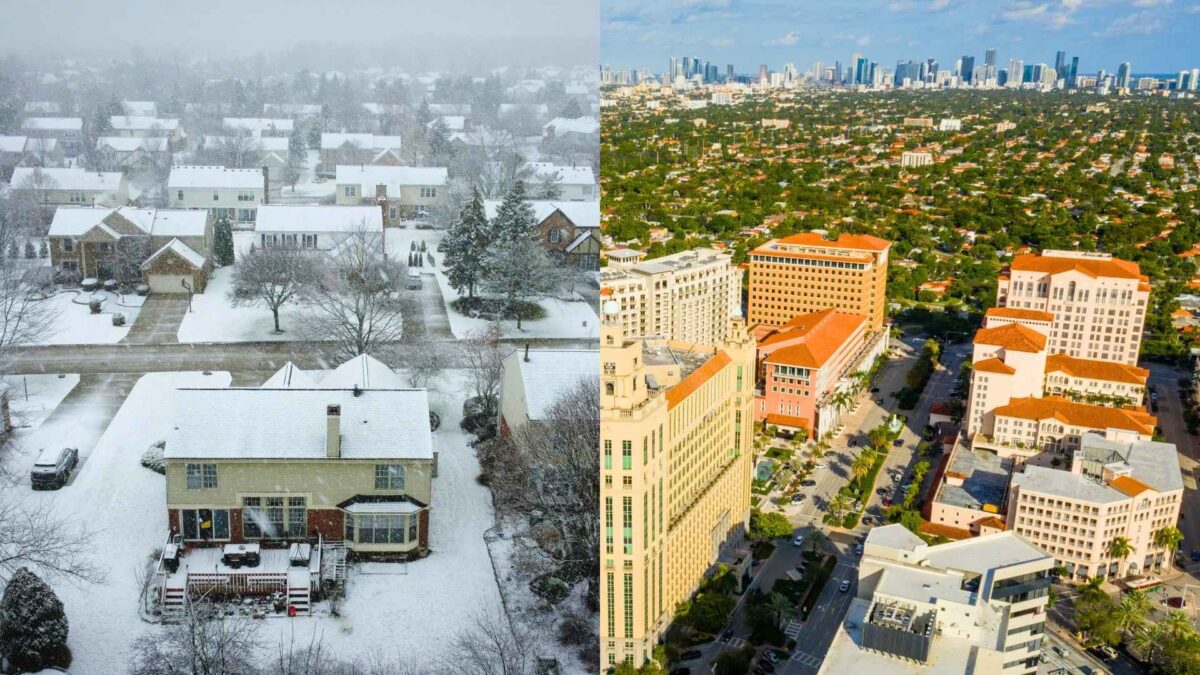
Every fall, South Florida’s population starts to change. Seasonal residents from the Northeast, the Midwest and Canada return for the winter, and the real estate market moves with them. Traffic picks up, showings increase and certain kinds of homes start selling faster.
The effect is strongest along the coast and in condo-heavy markets. It ripples well beyond the beach, though, including into the family neighborhoods of South Miami-Dade. Understanding how the season works can help buyers and sellers time their moves with more confidence.
What Is the Snowbird Effect?
Snowbirds are seasonal residents, often retirees or remote workers, who spend the colder months in Florida and head north in the spring. In South Florida, the season roughly runs from November through April.
Some snowbirds rent. Others buy, either a second home for the winter or, after a few seasons, a primary residence. Together they add a wave of demand on top of the year-round market, and that wave follows a fairly predictable calendar.
How the Season Unfolds
Every year plays out a little differently, but the season tends to follow a familiar pattern.
October and November: The Early Arrivals
New listings have traditionally climbed in the fall as sellers try to get ahead of the winter crowd. The buyers who show up early are often the most serious ones: relocating families, investors and seasonal residents who want to settle before the holidays.
December Through March: Peak Demand
This is when the market is busiest. More buyers are in town and able to tour in person, and competition is usually sharpest for well-priced, move-in-ready homes and condos. Sellers tend to hold the most leverage during these months.
April and May: The Unwind
As seasonal residents head north, demand softens. Homes that did not sell during peak season stay on the market longer, and buyers often find more room to negotiate.
Summer: Closings and a Local Market
Many seasonal buyers who shopped in the winter close over the summer. At the same time, local families tend to move on the school calendar, which keeps the suburbs active even as the coast quiets down.
Where Seasonal Demand Hits Hardest
Seasonal buyers tend to concentrate on condos, waterfront homes and communities with amenities like golf, marinas and low-maintenance living. Coastal markets across Miami-Dade, Broward and Palm Beach counties feel the season most directly.
Condos deserve a special note. Florida’s condo safety laws, passed after the 2021 Surfside collapse, require milestone inspections and structural reserve studies for many older buildings. Some owners now face higher association fees or special assessments, and seasonal buyers shopping for condos are paying close attention to building finances. That scrutiny has changed how older condo inventory moves during peak season.
What the Snowbird Effect Means for the Suburbs
The suburban neighborhoods south of Coral Gables, from Pinecrest and Palmetto Bay down to Cutler Bay, are mostly year-round, family-driven markets. Most buyers here are moving for schools, space and a longer stay, not a winter escape. So the seasonal effect shows up in quieter ways.
Seasonal traffic lifts regional activity. Visitors who come for the winter often explore beyond the coast, and some decide the suburbs offer more space and value for a permanent move.
Former snowbirds become full-time residents. Many seasonal buyers rent for a few winters before committing. When they do, some choose a single-family home in an established neighborhood over a coastal condo.
Lower-maintenance options draw second-home interest. Townhomes and condos farther south can appeal to seasonal buyers who want an easier home to leave for half the year without a coastal price tag.
What Sellers Should Know
Timing can widen your buyer pool. Listing in late fall or early winter has traditionally put your home in front of the largest group of active buyers. Homes that are ready before the peak often see the most activity.
Presentation matters more when buyers tour quickly. Seasonal buyers often see several homes in a few days. A home that is priced right, photographed well and ready to show stands out.
Be ready for remote and fast-moving buyers. Video tours, complete disclosures and ready answers on insurance, roof age and wind mitigation help buyers who may be deciding from out of state.
What Buyers Should Know
The shoulder months can work in your favor. If you are buying for year-round living, the weeks just before and after peak season often bring less competition.
In peak months, be prepared to move. Get pre-approved before you tour, and be ready to act on homes that check your boxes.
Understand how property taxes follow your plans. Florida’s homestead exemption applies only to a permanent primary residence. Homesteaded homes also benefit from a cap that limits annual increases in assessed value to 3% or the rate of inflation, whichever is lower. Second homes are capped at 10% a year for most non-school taxes, which can make a real difference in carrying costs over time.
Budget for insurance early. Premiums vary widely based on a home’s age, roof, location and flood zone, and they can shape what a home actually costs to own.
The Bottom Line
The snowbird effect is not something to fear or chase. It is a rhythm, and South Florida’s market has moved to it for decades. Sellers who understand it can list with better timing. Buyers who understand it can choose when to compete and when to negotiate.
Drew Kern and The Kern Team watch how each season plays out across South Florida, neighborhood by neighborhood. If you are weighing whether to move this winter or wait until spring, the answer usually depends on the specific homes you are watching.
Frequently Asked Questions
When is snowbird season in South Florida?
Snowbird season in South Florida generally runs from November through April, with the busiest stretch from about December through March. Many seasonal residents arrive around the holidays and head north by late spring.
Is winter the best time to sell a home in South Florida?
Winter has traditionally brought the largest pool of buyers, which can help sellers, especially for condos and homes that appeal to seasonal residents. In family neighborhoods, spring and early summer stay strong too, as local buyers move around the school calendar.
Is it cheaper to buy a home in South Florida in the summer?
Buyers often face less competition in late spring and summer, which can create more room to negotiate on price and terms. Results depend on the specific home and neighborhood, but fewer competing buyers usually means more flexibility.
Can snowbirds claim the Florida homestead exemption?
Only if the Florida home is their permanent primary residence. Seasonal residents who keep their primary home in another state generally do not qualify, and their Florida property is taxed as non-homestead.
Drew Kern, The Kern Team